
BiologyGeography

Komodo VR

The XR School › Geography › Komodo: A Paradise Under Pressure
$3.99 VR Gorilla • The Watermen Project Nature documentary • About 20 minutes Meta Quest • Rift • Viveport
Released 22 November 2021 • Filmed in Komodo National Park, a UNESCO World Heritage Site

Komodo: A Paradise Under Pressure

A short VR nature documentary from Indonesia's Komodo National Park. Swim with reef manta rays, meet Komodo dragons and see the plastic pollution threatening one of the richest marine environments on Earth, alongside a world record freediver and a marine biologist.

Developer: VR Gorilla
Price: $3.99
Platform: Meta Quest • Rift • Viveport
Subject: Geography • Biology • Environment
7.0
/10
XR School Score
Recommended
Stunning wildlife • Clear environmental message • About 20 minutes long • Very cheap • Passive viewing • Few ratings
5.0 • Meta store 2 ratings
Overview

Komodo: A Paradise Under Pressure is a VR nature documentary released on Meta Quest on 22 November 2021 by VR Gorilla, a studio known for wildlife films in virtual reality, together with The Watermen Project. It costs $3.99, runs for around 18 to 20 minutes and is rated for everyone. It is also available for Rift and on Viveport.

The film follows world record freediver and ocean explorer William Winram and marine biologist Lukas Müller through the waters and islands of Komodo National Park in Indonesia, a UNESCO World Heritage Site. It shows the park's reef manta rays and its famous Komodo dragons, and documents the serious plastic pollution affecting the area. The team worked with scientists, divers and filmmakers on a project that began in 2017.

Wonder and Warning Komodo shows students something extraordinary and then shows what threatens it. Seeing manta rays up close and then seeing plastic in the same waters makes the case for protecting ecosystems far more powerfully than a textbook photograph.
What Viewers See
🦈
Manta rays
Swim alongside reef manta rays in their habitat.
🦎
Komodo dragons
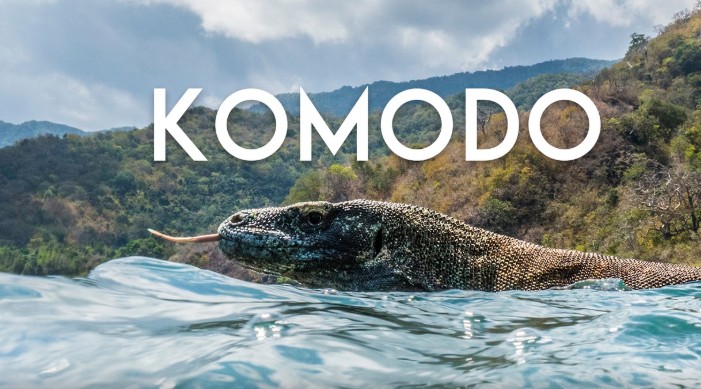
Meet the largest living lizards on their home islands.
🤿
Freediving
Join a world record freediver beneath the surface.
♻️
Plastic pollution
See the impact of plastic on the park.
Using It in Class At around 20 minutes, Komodo fits comfortably into one lesson with time for discussion. It is a 360 documentary, so students watch rather than interact, and it runs standalone on Quest. With only a couple of ratings there is little user feedback, but the price makes it easy to try.
Classroom Value
Environmental message
8.6
Production quality
8.0
Curriculum links
7.8
Ease of setup
8.5
Interactivity
3.0
Strengths and Limitations
Strengths
  • Stunning underwater and wildlife footage
  • Clear message about plastic pollution
  • Experts on screen explain what you see
  • Fits into a single lesson
  • Very low price
  • Rated for everyone
Considerations
  • Passive 360 viewing
  • Only about 20 minutes long
  • Very few ratings
  • No built in teaching materials
For Teachers: Ecosystems Under Threat Use Komodo in KS3 and GCSE geography and biology on ecosystems, biodiversity, coral reef and ocean environments and human impact. Before watching, ask students to predict threats to the park; afterwards, discuss solutions to plastic pollution at local and global scales.
$3.99
Meta Quest 1, 2, Pro, 3 and 3S • Also on Rift and Viveport
Get on Meta Quest → More geography apps →
Quick Facts
Developer
VR Gorilla
Partner
The Watermen Project
Release
22 November 2021
Price
$3.99
Length
About 18 to 20 minutes
Location
Komodo National Park, Indonesia
Presenters
William Winram, Lukas Müller
Age rating
Everyone
Verdict
Komodo: A Paradise Under Pressure is a beautiful, affordable VR documentary that pairs spectacular wildlife with a clear warning about plastic pollution. It is passive and short, but it fits neatly into a lesson on ecosystems and human impact, and at $3.99 it is easy to recommend.

Gareth Griffiths

Gareth Griffiths is a scientist and the founder of World of Teaching, a free library of over 1,000 teacher made PowerPoints. He set up The XR School to help teachers, schools and parents find virtual and augmented reality apps that genuinely help young people learn, and to give an honest view of what each app teaches, which headsets it needs and what it costs.