
ExperiencesEducation

Becoming homeless: A human Experience

The XR School › Humanities › Becoming Homeless
Free Stanford University 7 minutes • Empathy Meta Quest • PC VR
Stanford Virtual Human Interaction Lab • Tribeca Film Festival 2017 • Backed by peer reviewed research

Becoming Homeless

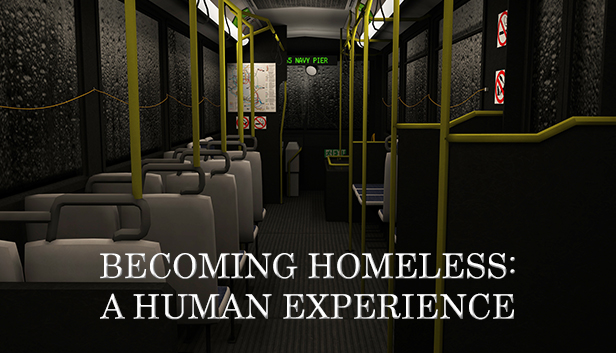
In seven minutes you go from paying the rent to having nowhere to sleep, choosing what to sell and trying to protect your belongings as your options run out. Becoming Homeless: A Human Experience from Stanford University is a short, free and powerful piece of virtual reality designed to change how people think about homelessness, and the research suggests it does.

Developer: Stanford Virtual Human Interaction Lab
Price: Free
Platform: Meta Quest • PC VR (Steam)
Subject: PSHE • Citizenship • Sociology
8.0
/10
XR School Score
Highly Recommended
Free • Research backed • Short enough for one lesson • Powerful discussion starter • Needs careful handling • Simple visuals
Tribeca 2017 Official selection
Stanford research
Overview

Becoming Homeless: A Human Experience was created by Elise Ogle, Tobin Asher and Professor Jeremy Bailenson at Stanford University’s Virtual Human Interaction Lab. It premiered at the Tribeca Film Festival in 2017, was released free on Steam on 30 January 2018, and arrived free on Meta Quest headsets on 5 August 2025. The experience lasts about seven minutes.

You spend several days in the life of someone who can no longer afford their home. You interact with your surroundings, choosing what to sell to cover the rent and trying to protect yourself and your belongings as your resources shrink. The aim is to challenge a common thinking error psychologists call the fundamental attribution error: we tend to blame other people’s misfortunes on their character, while blaming our own on circumstances. By living through the circumstances, users see how quickly anyone could lose a home.

What the Research Found Stanford researchers tested the experience with hundreds of people in a large study published in the journal PLOS ONE in 2018 (Herrera, Bailenson and colleagues). Over eight weeks, people who became homeless in VR reported feeling empathy at similar levels to those who did a traditional imagine‑it exercise, but they had more positive and longer lasting attitudes towards homeless people, and they were significantly more likely to sign a petition supporting affordable housing.
How to Use It in a Lesson
💬
1. Before
Ask students why they think people become homeless, and note their answers anonymously.
🥽
2. Experience
Students take turns in the headset. At seven minutes, several can go in one lesson.
🧠
3. Reflect
Revisit the first answers. Which were about choices, and which about circumstances?
🤝
4. Act
Research local support services or a charity, and discuss what helps people stay housed.
Handle With Care Homelessness and housing insecurity may be part of some students’ lives right now. Tell the class in advance what the experience covers, let anyone opt out without needing to explain, and follow your school’s safeguarding guidance. Be ready to signpost support, such as Shelter’s helpline in the UK, during the discussion.
Quest vs Steam Version
Feature
Meta Quest
Steam
Price
Free
Free
Released
5 August 2025
30 January 2018
Hardware
Standalone Quest 2, 3, 3S, Pro
Gaming PC (GTX 980 Ti) and PC VR headset
Age rating
Everyone
Not listed
Best for
Schools
Existing PC VR setups

The Steam version has mixed user reviews (55% positive of 54), mostly from players expecting a game. As a short educational piece it does exactly what it sets out to do.

Classroom Value
Discussion value
9.5
Evidence base
9.0
Fits a lesson
9.0
Value for money
10
Visual polish
5.5
Strengths and Limitations
Strengths
  • Free on Quest and Steam
  • Peer reviewed evidence of lasting attitude change
  • Seven minutes: several students per lesson
  • Runs standalone on Quest
  • Rated for everyone on the Meta store
  • Made by a leading university research lab
  • Tribeca Film Festival selection
Considerations
  • Emotionally heavy: needs preparation and debrief
  • Set in the United States, so details differ from the UK
  • Simple graphics by modern standards
  • English only
  • No teacher guide from the developers
  • Steam version needs a powerful PC
For Teachers: A Lesson, Not Just a Headset Session Becoming Homeless fits PSHE work on financial wellbeing and life choices, Citizenship topics on rights, poverty and the welfare state, Religious Studies discussions of social justice, and A level Sociology and Psychology, where it is a ready made example of the fundamental attribution error and of research on empathy. Students in Psychology can even read the Stanford study and evaluate its method. Plan the before and after discussion as carefully as the VR itself, because that is where the learning happens.
Free
Meta Quest 2, 3, 3S and Pro • Also free on Steam for PC VR
Get on Meta Quest → Get on Steam → More humanities apps →
Quick Facts
Developer
Stanford Virtual Human Interaction Lab (Elise Ogle, Tobin Asher, Jeremy Bailenson)
Released
Steam: 30 January 2018 • Quest: 5 August 2025
Price
Free
Length
About 7 minutes
Headsets
Meta Quest 2, 3, 3S, Pro • PC VR via SteamVR
Research
Herrera et al., PLOS ONE, 2018
Awards
Official Selection, Tribeca Film Festival 2017
Language
English
Age rating
Everyone (Meta store)
Verdict
Becoming Homeless is one of the few educational VR experiences with solid research behind it, and its seven minutes pack a real emotional punch. It is free, now runs on a standalone Quest, and fits neatly into PSHE, Citizenship, RS, Sociology and Psychology lessons. It needs careful framing and a proper debrief, and the graphics are simple, but used well it can shift how students think about homelessness in a way a worksheet rarely does.

Gareth Griffiths

Gareth Griffiths is a scientist and the founder of World of Teaching, a free library of over 1,000 teacher made PowerPoints. He set up The XR School to help teachers, schools and parents find virtual and augmented reality apps that genuinely help young people learn, and to give an honest view of what each app teaches, which headsets it needs and what it costs.